
I Want Shade and Rain Cover: Can One Awning System Do Both?
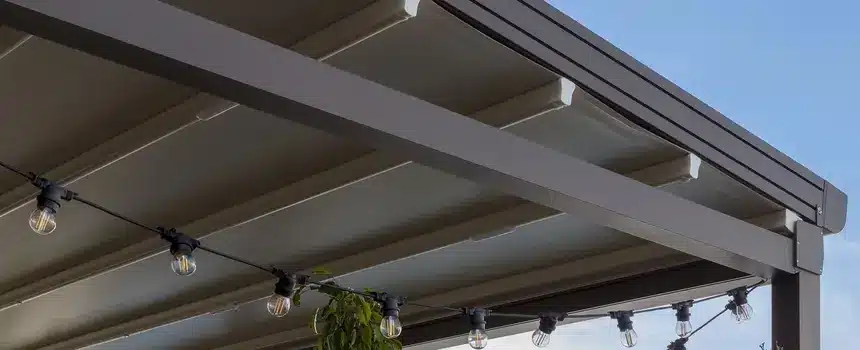
Choosing the right awning system can provide both shade and rain protection, transforming outdoor spaces into comfortable retreats year-round. With careful selection of materials and professional installation, homeowners can enjoy durable and functional designs that adapt to changing weather conditions.
- Retractable awnings made from waterproof, UV-resistant fabrics offer effective protection from both sun and rain. Polycarbonate panels are strong and allow filtered light while keeping out water.
- Proper installation is crucial to prevent sagging and water pooling, ensuring long-term stability and performance of the awning system.
- Modern systems often feature automated controls and smart home integration, allowing for easy adjustments based on weather conditions.
A retractable awning system provides dual benefits by blocking harmful UV rays while also offering protection from unexpected rain. Made from waterproof and UV-resistant materials like PVC-coated polyester, these awnings enhance outdoor spaces, allowing for comfortable use year-round without compromising on light or visibility.
Modern outdoor covering systems do more than just block rain—they transform patios, decks, and garden spaces into year-round retreats when designed and installed with care. Choosing materials that resist both weather and time is the first step. Retractable awnings made from waterproof, UV-resistant fabrics such as PVC-coated polyester perform well under direct sunlight while still protecting from sudden rain showers. Polycarbonate panels are another dependable choice, offering strength and transparency that allow filtered light to pass through without the heat or glare.
The right design ensures lasting protection and functionality. Awning systems must have a minimum slope of 14 degrees so water runs off instead of pooling on the surface, which can add unnecessary stress to the structure. Sealed seams are critical—any gap becomes an entry point for water. Adjustable or motorized models allow homeowners to control exposure, extending the awning during hot afternoons and retracting it during storms. This balance between shade and ventilation helps regulate temperature and maintain comfort outdoors. Professional installation is equally important. Trained experts understand how to anchor systems securely to resist wind uplift and manage precipitation. They calculate the correct bracket spacing and load distribution, ensuring long-term stability and performance. Poor alignment or inadequate fastening often leads to sagging, water buildup, and costly repairs.
Before you make a purchase, evaluate material warranties, frame durability, and maintenance requirements. Motorized systems need periodic inspection to keep sensors, gears, and motors in good working condition. Each environment—whether humid, arid, or mountainous—demands different design considerations. A well-selected and professionally installed covering system will not only extend your living space but also create a naturally balanced environment where both people and plants flourish.
Understanding the Difference Between Shade and Waterproofing
Another key factor to consider is thermal performance. The right awning fabric can reduce indoor temperature gain from sunlight during summer, helping lower cooling costs. Conversely, retractable systems allow you to retract the canopy during winter months to welcome warmth and minimize heat loss, optimizing energy efficiency throughout the year.
Before choosing your system, it’s wise to request a price estimate from a trusted local installer. This helps you compare fabric grades, frame types, and control mechanisms—manual or motorized—based on your budget and design goals. Reputable companies that prioritize excellent customer service will walk you through the options and ensure your awning or canopy aligns with your climate conditions and architectural style.
If you’re seeking both elegance and function, consider models that integrate screens for extra shade or privacy. These accessories can block insects, filter sunlight, and add comfort while maintaining airflow. With the right combination of high-quality materials, weather-tested engineering, and dependable customer support, your outdoor space becomes more than just a patio—it transforms into a year-round retreat built to handle nature’s unpredictability.
Adjustable and Retractable Designs That Do Both
Modern retractable awning systems solve the challenge of providing both shade and rain protection without needing separate installations. These innovative designs adapt automatically to changing weather, making them ideal for year-round outdoor comfort. Engineers develop each awning system to optimize performance through smart mechanisms that adjust sunlight angles, airflow, and water resistance. Automated louvers give precise control over shade, allowing users to block harsh sunlight during peak hours and reduce heat buildup under the structure. When positioned correctly, the slats form a solid seal that keeps out rain, ensuring that patios and decks stay dry even during sudden downpours.
Advanced models with automatic rain-activated fabric canopies add even more convenience. These awning systems use UV-resistant materials coated for waterproof performance. Built-in sensors detect the first sign of rain and trigger motorized extensions or adjustments that tighten the fabric and create the ideal slope for drainage. This prevents standing water from collecting on top—a common cause of damage to conventional shade structures. The smooth water runoff not only preserves the material but also extends the lifespan of the entire system.
Materials and Fabric Choices for Dual-Use Performance
The quality and performance of an awning depend heavily on the materials and construction techniques used. One key element that sets durable awnings apart is the lock-stitch pattern, a sewing method that strengthens seams and prevents unraveling even under tension, moisture, and temperature changes. This stitching method reinforces the fabric by interlocking threads in both directions, ensuring that if one thread breaks, the rest of the seam remains intact. The result is a long-lasting, weather-resistant structure that maintains its shape and integrity over time. When it comes to fabric selection, HDPE (high-density polyethylene mesh) remains one of the most reliable materials for outdoor applications. Its tightly woven design blocks up to 95% of harmful UV rays while allowing heat and moisture to dissipate, creating a cooler and more comfortable space beneath the awning. HDPE fabric is also hydrophobic, meaning water slides off rather than soaking in, which reduces the chance of drooping or mildew buildup after heavy rainfall.
Choosing the right balance of material strength, UV blocking capability, and water resistance ensures that your awning not only enhances comfort but also provides long-term protection and aesthetic appeal to your outdoor space.
Professional Installation for Proper Water Drainage and
Longevity
Many shade covers and rain shelters fail when installed by homeowners because water pools on top, the structure sags or collapses, and materials deteriorate prematurely. Professional installers ensure long-lasting performance by carefully considering how water moves and what forces act on outdoor structures. Proper water management starts with creating a slope of at least 14 degrees, allowing rain to run off instead of collecting in pockets that could stress the material or frame. Certified installers assess each property individually, taking into account local wind speeds, the load-bearing capacity of walls or posts, and where downspouts should divert water away from foundations.
Precision is critical during installation. Fabric panels are stretched to exact specifications to prevent sagging, and anchor points are positioned according to load distribution calculations. For heavy rainfall, integrated gutter channels capture overflow and redirect it safely. Professionals often use laser measuring tools and structural engineering formulas to map water flow across the surface, ensuring the system handles extreme conditions without damage.
Common errors occur when homeowners attempt installations themselves. Slopes are often too shallow, attachment bolts are placed in weak spots, and fabric seams may be oriented incorrectly, creating channels that allow leaks. These mistakes accelerate corrosion, fabric tears, and overall system failure, especially during storms. Professional installation not only preserves structural integrity against wind, snow, and temperature fluctuations, but it also protects manufacturer warranties, which typically require certified installation to remain valid. A properly installed shade or rain cover can last 20 to 30 years, while DIY versions often fail within three to five years. Investing in expert installation eliminates frequent repairs, prevents replacement costs, and protects the property from water damage or structural collapse, providing peace of mind and long-term value.
Recent Post
I Have a Hot Tub—What Shade Works With Steam and Chemicals? | Expert Guide to Durable, Safe, and Weather-Resistant Covers
Hot tub shade structures must withstand heat, moisture, and chemical...
Window Awnings: Do Drop-Arms or Fixed Frames Work Better in Denver? | Expert Guide to Choosing Durable, Weather-Resistant Shades
Window awnings help Denver homeowners reduce heat, block harsh sunlight,...
How Much Shade Will Your Awning Provide? Shade Projection by Time of Day in Denver
Shade in Colorado shifts hour by hour because sunrise, sunset,...
Projection vs. Width: The Two Key Measurements That Make or Break Your Awning
Projection and width are the two core measurements that determine...


