
Can Retractable Awnings Be Installed on Vinyl Siding? Expert Guide to Safe Installation, Structural Support, and Best Practices
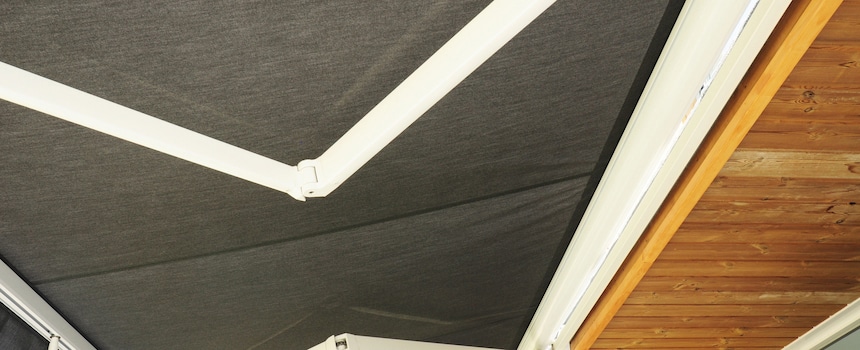
Retractable awnings can be installed on vinyl siding, but they must be anchored into solid framing like wall studs rather than the siding itself, which is not load-bearing.
- Vinyl siding serves only as a protective exterior layer and cannot support weight. Improper mounting risks cracking, warping, and long-term wall damage.
- Professional installers locate wall studs, use heavy-duty brackets and lag bolts, and seal all penetration points to prevent moisture intrusion.
- Benefits include improved outdoor comfort, reduced cooling costs, and increased home value. Professional installation protects warranties and prevents siding damage.
Yes, retractable awnings can be installed on homes with vinyl siding, but the awning must be anchored into solid framing beneath the siding, such as wall studs or structural headers. Vinyl siding alone cannot support the weight, so proper mounting techniques are required to ensure long-term stability, safety, and weather resistance without damaging the exterior wall system.
Retractable awnings can be installed on homes with vinyl siding, but the process requires proper planning and secure mounting techniques to ensure long-term stability and safety. Vinyl siding itself is not a structural support surface, so the awning must be anchored into solid framing beneath the siding, such as wall studs or structural headers. When installed correctly, retractable awnings can provide reliable shade, energy efficiency benefits, and enhanced outdoor comfort without compromising the integrity of the exterior wall system. Understanding how installation works on vinyl siding is essential for ensuring durability, performance, and weather resistance over time.
Why Vinyl Siding Cannot Support Retractable Awnings
Vinyl siding is not load-bearing.
Vinyl siding is only a protective exterior layer. It is not designed to carry weight or structural load.
Risk of structural failure
Improper mounting can cause:
- Siding warping or cracking
- Loose or unstable awning brackets
- Long-term wall damage
Hidden framing requires precision.
Because wall studs are hidden behind siding, accurate locating is required for safe installation.
Key Challenges When Installing Awnings on Vinyl Siding
Moisture intrusion risks
Drilling through siding creates openings that must be properly sealed to prevent:
- Water leaks
- Mold growth
- Interior wall damage
Thermal expansion movement
Vinyl expands and contracts with temperature changes, which can affect stability if not properly spaced.
Wind load stress
Retractable awnings create movement under wind pressure, requiring secure structural anchoring.
How Professionals Install Retractable Awnings Safely
Locating wall studs and framing
Installers identify load-bearing studs before any drilling begins to ensure proper anchoring.
Using structural mounting brackets
Heavy-duty brackets distribute weight evenly across multiple anchor points.
Sealing all penetration points
Professional-grade flashing and sealants prevent moisture infiltration.
Installing spacers for siding protection
Spacers prevent pressure on vinyl panels and allow natural expansion.
Lag bolts into structural framing
Long lag bolts secure the awning directly into studs for maximum stability.
Final safety inspection
Installers verify:
- Alignment
- Stability
- Smooth operation
- Weather resistance
Structural Support Requirements for Safe Installation
Anchoring into wall studs
Wall studs provide the strength needed to support retractable awnings safely.
Load distribution across multiple points
Even weight distribution prevents structural stress and long-term damage.
Use of heavy-duty hardware
Installations require:
- Lag bolts
- Reinforced brackets
- Corrosion-resistant fasteners
Wind resistance considerations
Proper engineering ensures stability during strong winds and seasonal storms.
Benefits of Installing Retractable Awnings on Vinyl Homes
Improved outdoor comfort
- Provides shade for patios and decks
- Reduces heat exposure
Energy efficiency benefits
- Blocks direct sunlight
Increased home value
- Improves outdoor living space usability
Flexible shade control
- Retractable design allows full sun or full shade as needed
Why Professional Installation Is Recommended
Prevents siding damage
Experts ensure no cracking, warping, or structural damage occurs.
Ensures waterproof sealing
Proper sealing prevents moisture-related issues.
Maximizes safety and durability
Correct installation ensures long-term stability under wind and weather conditions.
Protects manufacturer warranty
Professional installation keeps warranties valid.
Recent Post
How to Clean Aluminum Awnings: Step-by-Step Guide to Remove Dirt, Stains, and Oxidation Without Causing Damage
Aluminum awnings protect your home from the sun, rain, and...
Retractable Awning Maintenance Tips: Expert Guide to Cleaning, Protecting, and Extending the Life of Your Awning
A retractable awning is a valuable investment that adds shade,...
20 Deck Awning Ideas Perfect for Patio Season: Stylish Shade Solutions to Elevate Outdoor Comfort, Design, and Functionality
Deck awnings are one of the most effective upgrades for...
Can Retractable Awnings Be Installed on Vinyl Siding? Expert Guide to Safe Installation, Structural Support, and Best Practices
Retractable awnings can be installed on homes with vinyl siding,...


