
Retractable Awning Maintenance Tips: Expert Guide to Cleaning, Protecting, and Extending the Life of Your Awning
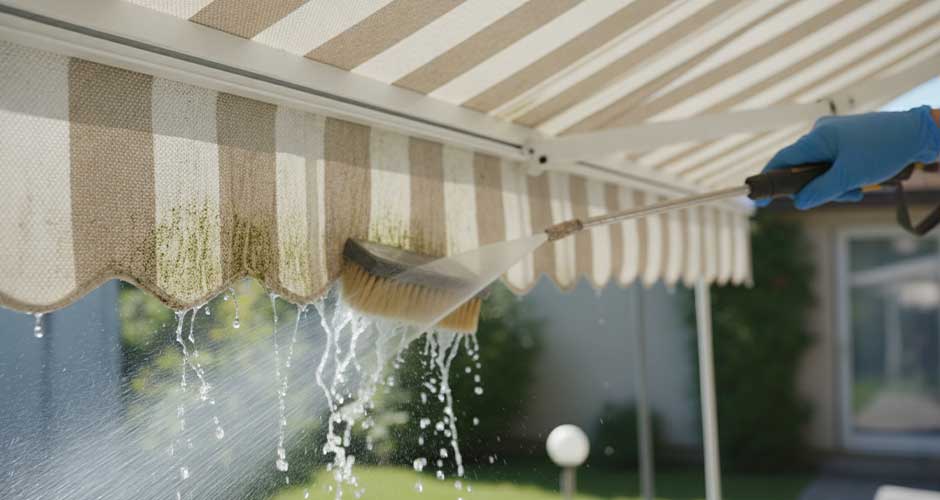
A retractable awning adds shade and curb appeal to your home, but regular exposure to weather and debris can wear down its fabric and mechanical parts. Routine maintenance - including cleaning, inspections, and weather protection - can prevent costly repairs and extend its lifespan.
- Clean the awning with mild soap and water, rinse thoroughly, and let it dry completely before retracting to prevent mold and mildew growth.
- Inspect the fabric for tears and fading, check the frame for rust or bent arms, and tighten all mounting hardware at least twice a year.
- Retract the awning during strong winds, heavy rain, and snow to avoid damage, and consider installing wind sensors for automatic protection when away from home.
To maintain a retractable awning, clean the fabric regularly using mild soap and water, then allow it to dry completely before retracting. Inspect the frame and mechanical parts for rust or damage, lubricate moving components annually, and always retract the awning during high winds or storms. Store it properly during winter months to extend its lifespan.
A retractable awning is a valuable investment that adds shade, comfort, and curb appeal to your home. However, regular exposure to sun, rain, dirt, pollen, and wind can gradually wear down the fabric and mechanical components.
The good news is that routine maintenance is simple and can significantly extend the life of your retractable awning. By cleaning it regularly, inspecting key components, and protecting it from severe weather, you can prevent costly repairs and enjoy reliable performance for years.
How to Clean a Retractable Awning Properly
Keeping your awning clean prevents stains, mildew, and premature fabric deterioration while maintaining its appearance.
Remove Loose Debris First
Before washing the awning:
- Brush away leaves and twigs.
- Remove dirt and dust.
- Blow away pollen using a leaf blower if necessary.
Cleaning loose debris first prevents scratches during washing.
Wash With Mild Soap and Water
For routine cleaning:
- Mix warm water with mild dish soap.
- Use a soft sponge or soft-bristle brush.
- Clean one section at a time.
- Scrub gently without excessive force.
Avoid harsh chemicals that may damage protective coatings.
Rinse Thoroughly
After cleaning:
- Use a garden hose.
- Remove all soap residue.
- Continue rinsing until the water runs clear.
Soap residue attracts dirt and may discolor the fabric over time.
Allow the Fabric to Dry Completely
Never leave your awning rolled up while wet.
Instead:
- Extend it fully.
- Let it air dry naturally.
- Retract only after the fabric is completely dry.
This helps prevent:
- Mold
- Mildew
- Odors
- Fabric deterioration
Clean Bird Droppings and Tree Sap Immediately
These contaminants become harder to remove if left on the fabric.
Prompt cleaning helps prevent:
- Permanent stains
- Fabric discoloration
- Material breakdown
Clean the Frame Too
Don’t forget the hardware.
Wipe down:
- Support arms
- Mounting brackets
- Aluminum frame
- End caps
Removing dirt helps prevent corrosion and keeps moving parts operating smoothly.
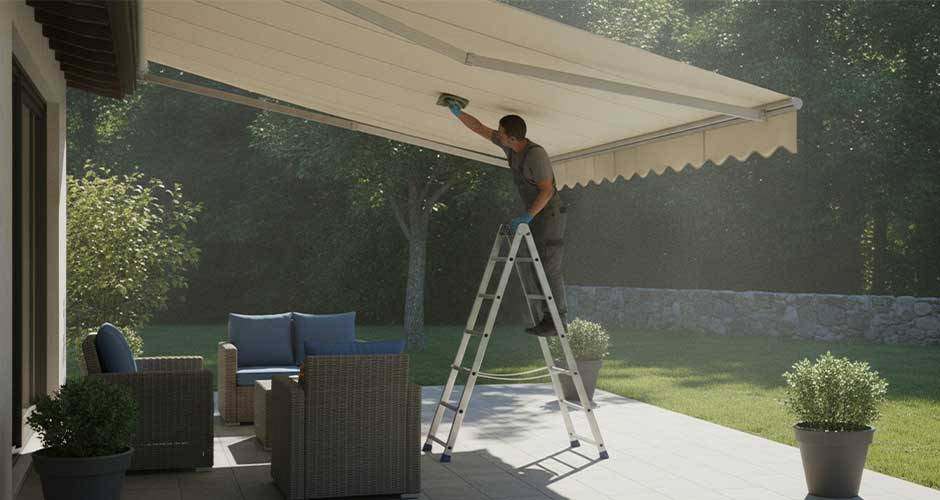
Inspect Your Retractable Awning to Prevent Costly Repairs
Routine inspections help identify small issues before they become expensive repairs.
Examine the Fabric
Look for:
- Tears
- Fraying
- Mold
- Mildew
- Fading
- Small holes
Repairing minor damage early can prevent the need to replace the fabric.
Check the Frame
Inspect the frame for:
- Rust
- Corrosion
- Bent arms
- Loose joints
- Cracked welds
Addressing these issues early helps preserve structural integrity.
Tighten Mounting Hardware
Inspect all:
- Bolts
- Screws
- Brackets
- Anchors
Loose hardware can affect stability, especially during windy weather.
Test the Awning’s Operation
Extend and retract the awning completely.
Watch for:
- Uneven movement
- Slow operation
- Jerking
- Excessive resistance
These signs may indicate worn mechanical components.
Listen for Unusual Noises
Grinding, squeaking, or clicking often signals:
- Worn bearings
- Loose components
- Lack of lubrication
- Alignment issues
Early repairs usually cost much less than replacing damaged parts.
Inspect Motorized Systems
If you have a motorized awning, check:
- Remote controls
- Wall switches
- Wind sensors
- Motor response
- Electrical connections
Any delayed or inconsistent operation should be inspected professionally.
Protect Your Retractable Awning From Weather Damage
Weather is one of the biggest factors affecting awning lifespan.
Retract During Strong Winds
Strong wind can:
- Bend support arms
- Tear fabric
- Damage brackets
- Pull hardware loose
Always retract the awning when high winds are expected.
Avoid Heavy Rain
While many awnings tolerate light rain, heavy rainfall may cause:
- Water pooling
- Fabric stretching
- Sagging
- Frame stress
Retract the awning during prolonged rain unless your manufacturer specifically recommends otherwise.
Keep It Retracted During Snow and Ice
Snow and ice create excessive weight.
This may lead to:
- Bent frames
- Torn fabric
- Broken mechanisms
Always keep retractable awnings closed during winter storms.
Remove Debris Promptly
Leaves and branches trap moisture.
Regularly remove:
- Pine needles
- Twigs
- Leaves
- Dirt
This helps prevent mildew and unnecessary wear.
Install Wind Sensors
Motorized awnings can be equipped with automatic wind sensors.
These devices:
- Detect strong winds
- Retract the awning automatically
- Reduce the risk of storm damage
They are especially useful when you’re away from home.
Common Retractable Awning Maintenance Mistakes to Avoid
Avoiding these mistakes can significantly increase the lifespan of your awning.
Do
- Clean the fabric regularly.
- Let the awning dry completely.
- Inspect hardware twice a year.
- Remove bird droppings immediately.
- Retract the awning before storms.
- Follow manufacturer maintenance guidelines.
Don’t
- Use bleach or harsh chemicals.
- Pressure wash the fabric.
- Store the awning while wet.
- Ignore unusual noises.
- Leave the awning extended during strong winds.
- Skip annual inspections.
When Should You Schedule Professional Retractable Awning Maintenance?
Homeowners can perform routine maintenance, but some situations require professional expertise.
Schedule Annual Service
Professional maintenance includes:
- Hardware inspection
- Frame alignment
- Mechanical adjustments
- Motor testing
- Safety checks
Annual servicing helps maximize the lifespan of the awning.
Call After Severe Weather
Arrange an inspection if your awning has been exposed to:
- High winds
- Heavy rain
- Hail
- Falling branches
Hidden damage isn’t always immediately visible.
Seek Help for Mechanical Problems
Professional service is recommended if your awning:
- Retracts unevenly
- Operates slowly
- Makes unusual noises
- Stops unexpectedly
- Has loose mounting hardware
Early repairs are typically more affordable than major replacements.
Recent Post
Retractable Awning Maintenance Tips: Expert Guide to Cleaning, Protecting, and Extending the Life of Your Awning
A retractable awning is a valuable investment that adds shade,...
20 Deck Awning Ideas Perfect for Patio Season: Stylish Shade Solutions to Elevate Outdoor Comfort, Design, and Functionality
Deck awnings are one of the most effective upgrades for...
Can Retractable Awnings Be Installed on Vinyl Siding? Expert Guide to Safe Installation, Structural Support, and Best Practices
Retractable awnings can be installed on homes with vinyl siding,...
The Right Way to Install a Door Awning: Expert Guide for Durable Protection, Style, and Weather Resistance
A properly designed door awning is more than just an...


