
How to Clean Aluminum Awnings: Step-by-Step Guide to Remove Dirt, Stains, and Oxidation Without Causing Damage
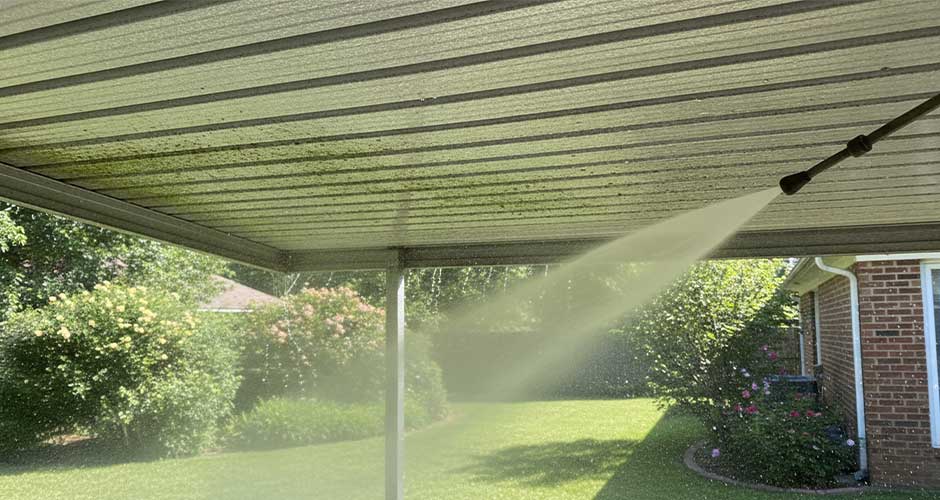
This guide explains how to clean aluminum awnings properly to preserve their finish, prevent corrosion, and extend their lifespan using the right tools and techniques.
- Gather soft-bristle brushes, microfiber cloths, mild soap, warm water, and aluminum-safe cleaners before starting. Avoid harsh chemicals like bleach, ammonia, or acidic products that can damage the finish.
- Wash one section at a time using gentle circular motions, rinse thoroughly with a garden hose, and dry to prevent water spots. Never use steel wool, wire brushes, or high-pressure washing.
- Clean awnings every few months and increase frequency in areas with heavy pollen, coastal salt, or pollution. Regular inspections help catch oxidation, loose hardware, or paint damage early.
To clean aluminum awnings safely, start by rinsing them with a garden hose to remove loose debris. Mix a mild dish soap solution with warm water and apply it using a soft-bristle brush or sponge, scrubbing gently in circular motions. Rinse thoroughly and allow the awnings to air dry. For oxidation or stubborn stains, use a specialized aluminum cleaner following the product directions.
Aluminum awnings protect your home from the sun, rain, and harsh weather while adding lasting curb appeal. Over time, however, dirt, pollen, bird droppings, mold, mildew, and environmental pollutants can dull their appearance.
Learning how to clean aluminum awnings properly helps preserve their finish, prevent corrosion, and extend their lifespan. With the right tools, cleaning products, and maintenance routine, you can keep your awnings looking great for years.
Essential Tools and Cleaning Solutions for Safe Aluminum Awning Maintenance
Before you begin, gather the proper cleaning supplies. Using gentle, aluminum-safe products prevents scratches and protects the finish.
Soft-Bristle Brush or Microfiber Cloth
Use soft cleaning tools to remove dust and dirt without damaging painted or coated aluminum surfaces.
Benefits:
- Removes loose dirt safely
- Prevents scratches
- Protects painted finishes
Mild Soap and Warm Water
A simple solution of warm water and mild dish soap is usually enough for routine cleaning.
Best for removing:
- Dust
- Pollen
- Light grime
- Everyday stains
Non-Abrasive Sponge
For stubborn spots, use a soft sponge that provides extra cleaning power without scratching the metal.
Ideal for:
- Bird droppings
- Tree sap
- Surface stains
Garden Hose
Rinse the awning thoroughly to remove soap residue and loosened debris.
Benefits include:
- Prevents streaking
- Washes away contaminants
- Leaves a cleaner finish
Aluminum-Safe Cleaner
For oxidation or mildew, choose a cleaner specifically formulated for aluminum.
Use only products designed for:
- Aluminum
- Painted metal
- Exterior metal finishes
Safety Equipment
Protect yourself while cleaning.
Recommended items:
- Stable ladder
- Non-slip shoes
- Rubber gloves
- Eye protection when needed
Step-by-Step Instructions for Cleaning Aluminum Awnings Without Causing Damage
Following the correct process helps protect the aluminum while producing the best results.
Step 1: Remove Loose Dirt and Debris
Brush away leaves, dust, cobwebs, and loose debris before washing.
This prevents dirt from scratching the surface during cleaning.
Step 2: Prepare a Gentle Cleaning Solution
Mix:
- Warm water
- Mild dish soap
Avoid using harsh chemicals such as:
- Bleach
- Ammonia
- Acidic cleaners
- Strong solvents
Step 3: Wash the Awning
Using a microfiber cloth or soft sponge:
- Clean one section at a time
- Use gentle circular motions
- Avoid excessive pressure
Working in small sections produces more even results.
Step 4: Remove Stubborn Stains
For difficult stains:
- Let the cleaning solution soak for several minutes.
- Gently scrub using a non-abrasive sponge.
- Repeat if necessary.
Never use steel wool or wire brushes.
Step 5: Rinse Thoroughly
Use a garden hose with moderate water pressure.
Proper rinsing removes:
- Soap residue
- Dirt
- Cleaning solution
- Remaining contaminants
Step 6: Dry the Surface
Allow the awning to air dry or wipe it with a microfiber towel.
Drying helps:
- Prevent water spots
- Improve appearance
- Protect the finish
Step 7: Inspect While Cleaning
Cleaning is the perfect opportunity to check for:
- Loose hardware
- Paint damage
- Small scratches
- Corrosion
- Loose brackets
Addressing small issues early helps prevent larger repairs.
Common Cleaning Mistakes That Can Shorten the Life of Your Aluminum Awnings
Avoiding these mistakes will help preserve your awning’s appearance and lifespan.
Using Abrasive Cleaning Tools
Avoid:
- Steel wool
- Wire brushes
- Abrasive pads
Instead, choose soft brushes and microfiber cloths.
Using Harsh Chemicals
Strong cleaners may:
- Damage paint
- Remove protective coatings
- Cause discoloration
- Accelerate corrosion
Always use aluminum-safe cleaning products.
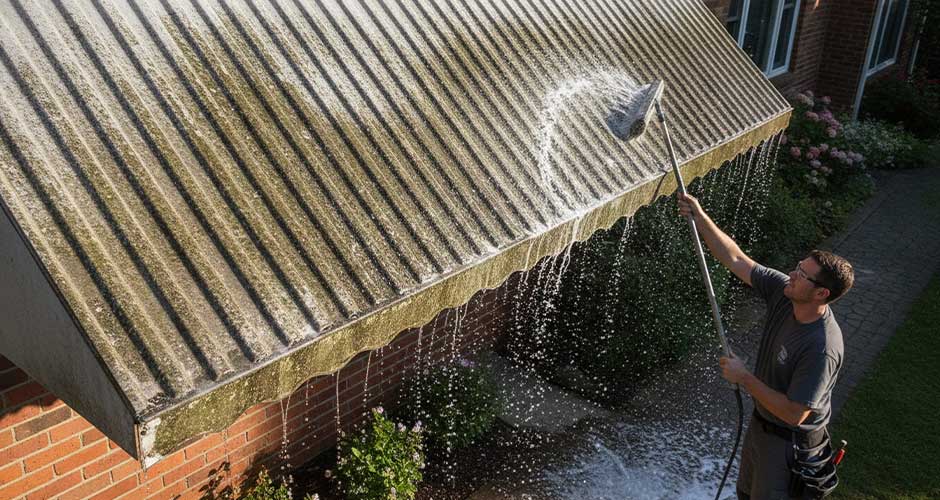
Pressure Washing Too Aggressively
High-pressure water can:
- Dent aluminum
- Damage seams
- Loosen fasteners
- Force water into joints
Use only gentle water pressure.
Cleaning in Direct Sunlight
Cleaning products dry too quickly in hot sunlight.
This may leave:
- Soap residue
- Water spots
- Streaks
Choose a cool, cloudy day whenever possible.
Allowing Dirt to Build Up
Waiting too long between cleanings makes stains harder to remove.
Regular maintenance prevents:
- Mold growth
- Oxidation
- Permanent staining
Skipping the Final Rinse
Soap left behind attracts dirt.
Always rinse thoroughly before allowing the awning to dry.
Tips for Maintaining Clean Aluminum Awnings and Preserving Their Appearance Year-Round
Routine maintenance keeps aluminum awnings cleaner and extends their lifespan.
Follow a Regular Cleaning Schedule
Clean aluminum awnings every few months.
Increase cleaning frequency if your property experiences:
- Heavy pollen
- Nearby trees
- Coastal salt exposure
- High pollution
Remove Debris Promptly
Regularly clear away:
- Leaves
- Branches
- Pine needles
- Bird droppings
This helps reduce staining and moisture buildup.
Rinse After Storms
Heavy rain and wind often leave behind dirt and debris.
A quick rinse helps maintain a clean appearance between deep cleanings.
Inspect the Finish
Look for:
- Oxidation
- Chipped paint
- Fading
- Surface scratches
Early repairs prevent more extensive damage.
Trim Nearby Trees
Keeping branches away from the awning reduces:
- Falling debris
- Tree sap
- Scratches
- Excess shade that encourages mildew
Check Mounting Hardware
Inspect brackets, screws, and fasteners regularly.
Tighten loose components before they become larger structural issues.
Prevent Standing Water
Ensure rainwater drains properly from the awning.
Standing water may contribute to:
- Staining
- Corrosion
- Premature wear
Why Regular Aluminum Awning Maintenance Matters
Cleaning aluminum awnings is about more than appearance. Routine maintenance helps preserve their finish, improve durability, and prevent costly repairs. By using gentle cleaning methods, inspecting for minor damage, and following a regular maintenance schedule, homeowners can keep aluminum awnings looking attractive while protecting their investment for many years.
Recent Post
How to Clean Aluminum Awnings: Step-by-Step Guide to Remove Dirt, Stains, and Oxidation Without Causing Damage
Aluminum awnings protect your home from the sun, rain, and...
Retractable Awning Maintenance Tips: Expert Guide to Cleaning, Protecting, and Extending the Life of Your Awning
A retractable awning is a valuable investment that adds shade,...
20 Deck Awning Ideas Perfect for Patio Season: Stylish Shade Solutions to Elevate Outdoor Comfort, Design, and Functionality
Deck awnings are one of the most effective upgrades for...
Can Retractable Awnings Be Installed on Vinyl Siding? Expert Guide to Safe Installation, Structural Support, and Best Practices
Retractable awnings can be installed on homes with vinyl siding,...


