
How to Clean a Fabric Awning (Without Wrecking It)
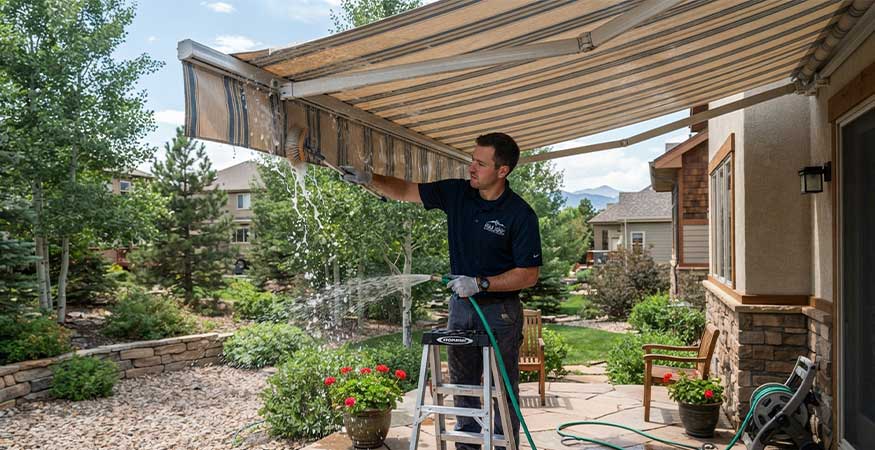
After 45 years of installing and re-covering awnings on the Front Range, we have seen more fabric damaged by aggressive cleaning than by weather. Here is our method for safe cleaning, mildew treatment, and the honest answer on pressure washers.
- Brush off dry debris first, rinse with a garden hose, wash with mild soap and a soft brush in sections, then rinse until water runs clear. Always dry fully extended before retracting - rolling up damp fabric causes mildew.
- Pressure washers strip water-repellent coatings, drive water into seams, and can cut stitching. A soft brush with soap dwell time gets the same results without the risk.
- For mildew on solution-dyed acrylic like Sunbrella, a diluted bleach mix works. Vinyl needs a vinyl-safe cleaner, and canvas will spot with bleach. Prevention is free - just dry before retracting every time.
Clean a fabric awning by first brushing off loose debris with a soft bristle brush. Mix a mild soap solution with lukewarm water and apply it gently using a soft cloth or sponge. Rinse thoroughly with a garden hose on low pressure and allow the fabric to air dry completely before retracting. Avoid pressure washers and harsh chemicals that can destroy the fabric coating.
A fabric awning collects everything Denver’s air carries – dust, pollen, cottonwood fluff, bird droppings – and the wrong cleaning method does more damage than the dirt. After 45 years of installing and re-covering awnings on the Front Range, we have seen more fabric killed by aggressive cleaning than by weather. Here is the method that works, the mildew fix, and the honest answer on pressure washers.
The short version
Brush off loose debris, rinse, wash with mild soap and a soft brush, rinse until the water runs clear, and let it dry fully extended before retracting. Once a month in season keeps it easy; let it go a year and you are scrubbing instead of rinsing.
What you need
- Soft-bristle brush on a pole (car-wash style)
- Garden hose with a spray nozzle – not a pressure washer (more below)
- Mild soap: dish soap or a dedicated awning cleaner. Skip degreasers, solvent cleaners and anything labeled for concrete
- A bucket, a ladder you trust, and a dry afternoon
Step by step
- Extend the awning fully and pick a mild, overcast day if you can – soap dries too fast on hot fabric and leaves rings.
- Brush off dry debris first. Leaves, twigs, cottonwood fluff. Dry brushing first means you wash dirt off instead of mudding it in.
- Rinse top and underside with the hose, working from the high side down.
- Wash with soap and the soft brush in sections, top first, underside second. Let the soap sit a few minutes on grimy areas – dwell time does the work, not scrubbing force.
- Rinse until no suds remain. Soap residue left in fabric attracts dirt and speeds up the next cleaning.
- Dry fully extended. Retracting damp fabric is how mildew starts – if you take one rule from this page, take that one.
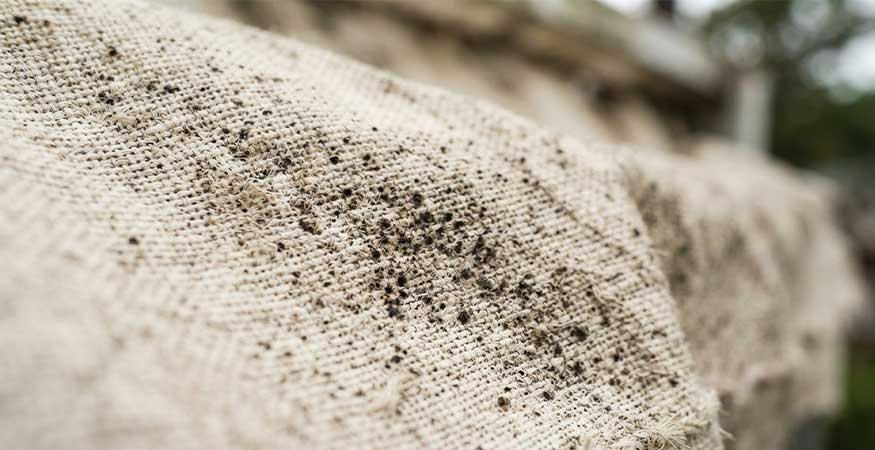
Removing mildew from awning fabric
Mildew shows up as gray-black speckling, and on the Front Range it usually means the awning was rolled up damp. The fix depends on the fabric:
- Solution-dyed acrylic (Sunbrella and similar): the color is locked into the fiber, and the maker’s own care instructions allow a diluted bleach mix for mildew – roughly one cup of bleach per gallon of water with a small amount of mild soap. Test a hidden corner first, keep the mix off plants and metal hardware, and rinse hard when done.
- Vinyl: a vinyl-safe mildew cleaner, soft brush, thorough rinse. No bleach unless the maker’s care sheet allows it.
- Canvas and cotton-mix fabrics: bleach will spot the dye. Use a fabric-safe mildew cleaner and accept that deep-set mildew on old canvas is usually permanent – at that point read our fabric replacement signs.
The mildew you prevent costs nothing: dry before retracting, every time.
Can you pressure wash a fabric awning?
The popular answer, and the one two thousand people a month search for, is the wrong one. A pressure washer strips the water-repellent coating off awning fabric, drives water into seams, and at close range cuts stitching. If you must use one: widest fan tip, lowest setting, at least two feet of distance, and never aimed at seams – but a soft brush with soap dwell time gets the same result with none of the risk. Our full take is in the pressure-washing post.
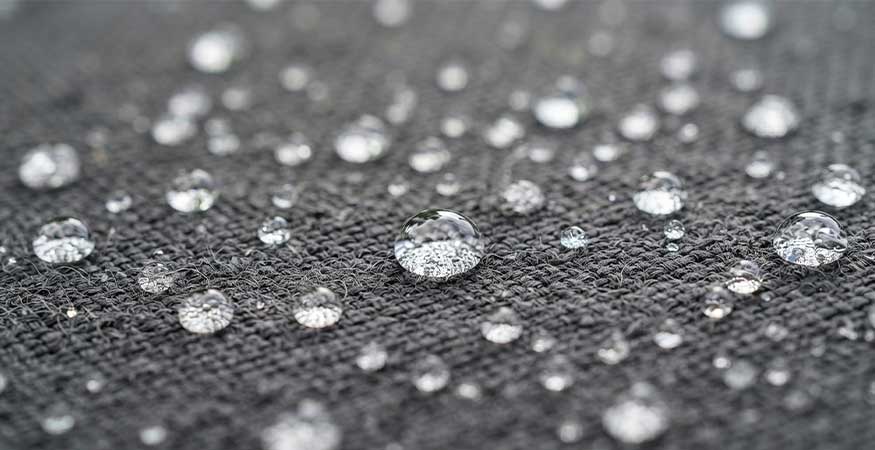
Water beads up on dark fabric, highlighting its water-resistant surface.
Restoring water repellency
When water stops beading and starts soaking in, the coating has done its tour. After a full clean and dry, apply a fabric-appropriate water- and UV-protective treatment in moderate temperatures. Once a season is plenty for most Front Range awnings.
Cleaning schedule for Colorado
- Monthly in season: rinse off dust and pollen; brush debris
- Twice a season: the full soap wash above
- Every fall: deep clean and full dry before winter retraction – the winter prep steps are here
- Spotted mildew or sap: treat now; both get harder every week they sit
When to hand it to us
Tears longer than a few inches, mildew that returns after treatment, fabric past its coating’s life, or an awning too tall to reach with confidence – at that point cleaning money is better spent on repair or re-covering. We assess for free and will tell you which side of the line yours is on: 303‑816‑2303.
Recent Post
How to Clean Aluminum Awnings: Step-by-Step Guide to Remove Dirt, Stains, and Oxidation Without Causing Damage
Aluminum awnings protect your home from the sun, rain, and...
Retractable Awning Maintenance Tips: Expert Guide to Cleaning, Protecting, and Extending the Life of Your Awning
A retractable awning is a valuable investment that adds shade,...
20 Deck Awning Ideas Perfect for Patio Season: Stylish Shade Solutions to Elevate Outdoor Comfort, Design, and Functionality
Deck awnings are one of the most effective upgrades for...
Can Retractable Awnings Be Installed on Vinyl Siding? Expert Guide to Safe Installation, Structural Support, and Best Practices
Retractable awnings can be installed on homes with vinyl siding,...


