
Is Your Awning Ready for Summer? Essential Guide to Inspection, Maintenance, and Long-Lasting Protection
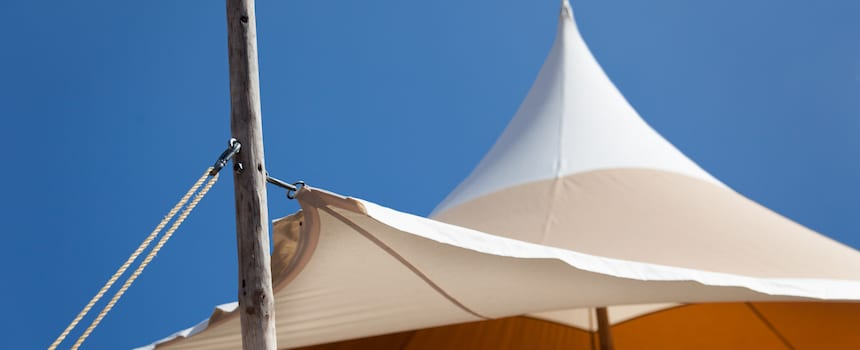
Summer heat and UV rays can stress awnings, turning minor issues like fading or loose hardware into costly repairs. Seasonal maintenance before peak summer improves outdoor comfort, extends lifespan, and keeps patios or storefronts protected.
- Inspect awnings for fading fabric, sagging, mold, and loose hardware before summer arrives. Catching problems early helps avoid expensive damage later.
- Routine care includes thorough cleaning, lubricating moving parts, checking drainage alignment, and applying protective UV coatings. Early repairs are more affordable than full replacement.
- Well-maintained awnings keep outdoor areas cooler, reduce indoor cooling costs, protect furniture from sun damage, and create more comfortable spaces for summer gatherings.
To prepare your awning for summer, start by inspecting the fabric for fading, tears, or mildew buildup. Check all hardware including brackets, screws, and mounting points for looseness or rust. Clean the fabric with a mild soap solution and ensure proper drainage to prevent water pooling. Address any small issues before the season begins to avoid costly repairs later.
Summer heat, stronger UV rays, and changing weather conditions can put extra stress on your awning. If your awning is not properly maintained, small issues like fading, loose hardware, or poor drainage can turn into expensive repairs.
Preparing your awning before peak summer helps improve outdoor comfort, extend its lifespan, and keep your patio or storefront protected throughout the season.
Whether you own a retractable awning, patio awning, or commercial shade system, seasonal maintenance helps ensure reliable performance when you need it most.
Signs Your Awning May Need Summer Maintenance
Before summer arrives, inspect your awning for signs of wear and performance issues. Catching problems early can help avoid costly damage later.
Watch for Fading or Fabric Discoloration
Excessive sun exposure can weaken awning material over time.
Common warning signs include:
- Faded fabric colors
- UV-related wear
- Thinning material
- Loss of weather resistance
Ignoring fabric deterioration can shorten your awning’s lifespan during peak summer heat.
Check for Sagging or Loose Fabric
A properly functioning awning should remain tight and evenly positioned.
Look for:
- Loose fabric tension
- Uneven stretching
- Visible sagging
- Wrinkled sections
Poor tension can lead to water pooling and structural stress.
Test Retraction and Extension Performance
Retractable awnings should operate smoothly without resistance.
Potential issues include:
- Jerky movement
- Grinding noises
- Slow operation
- Difficulty opening or closing
Mechanical problems often worsen with frequent summer use.
Inspect for Mold, Mildew, or Stains
Moisture buildup may encourage mold growth on awning fabric.
Watch for:
- Dark stains
- Musty odors
- Mildew buildup
- Moisture damage
Cleaning mildew early helps preserve both appearance and performance.
Examine Hardware and Mounting Stability
Loose or rusted hardware can affect safety and reliability.
Inspect for:
- Corroded brackets
- Loose fasteners
- Frame instability
- Rust buildup
Secure hardware helps your awning withstand summer wind and storms.
Essential Ways to Prepare Your Awning for Summer
Routine maintenance keeps your awning looking great and functioning properly all season.
Clean Your Awning Fabric Thoroughly
Dirt, pollen, and debris can weaken fabric over time.
Summer awning cleaning helps:
- Remove surface stains
- Prevent mildew buildup
- Improve appearance
- Extend fabric lifespan
Use gentle cleaning solutions recommended for awning materials.
Inspect for Damage Before Peak Heat
Small problems become larger during heavy summer use.
Check for:
- Small tears
- Frayed edges
- Weak stitching
- UV damage
Early repairs are often more affordable than full replacement.
Lubricate Moving Components
Retractable systems need smooth movement for reliable operation.
Focus on:
- Hinges
- Arms
- Tracks
- Moving joints
Proper lubrication reduces friction and prevents wear.
Confirm Proper Drainage and Alignment
Standing water can damage fabric and create unnecessary strain.
To avoid pooling:
- Check awning tension
- Verify proper slope
- Inspect alignment
- Correct sagging areas
Balanced positioning supports better long-term performance.
Apply Protective Treatments if Needed
Protective coatings help strengthen weather resistance.
Benefits include:
- Better UV protection
- Moisture resistance
- Reduced fading
- Longer fabric durability
This is especially helpful in high-sun environments.
Benefits of a Well-Maintained Awning During Summer
Regular awning maintenance provides more than better appearance—it improves comfort, protection, and long-term performance.
Keeps Outdoor Areas, Cooler
A properly functioning awning blocks direct sunlight.
Benefits include:
- Cooler patios
- Reduced glare
- More comfortable seating
- Better outdoor usability
This makes summer gatherings more enjoyable.
Helps Reduce Indoor Cooling Costs
Awnings block heat before it enters your property.
This can help:
- Lower indoor temperatures
- Reduce AC strain
- Improve energy efficiency
- Decrease cooling expenses
Shaded windows often improve indoor comfort significantly.
Protects Against UV Damage
Reliable awning coverage helps reduce sun exposure.
Protection benefits include:
- Reduced UV rays
- Less furniture fading
- Better skin protection
- Improved outdoor comfort
Strong UV resistance helps extend the life of outdoor décor.
Preserves Outdoor Furniture and Décor
Direct sunlight can damage outdoor materials.
Shade protection helps prevent:
- Fabric fading
- Cracked furniture
- Material deterioration
- Heat-related damage
This protects your outdoor investment.
Improves Outdoor Living Comfort
A maintained awning makes outdoor areas more functional.
You can enjoy:
- Better shade coverage
- Reduced heat exposure
- Comfortable dining spaces
- More relaxing environments
A comfortable patio becomes more usable throughout the summer.
When to Schedule Professional Awning Service
Some issues require professional inspection or repair before summer arrives.
Schedule Service If You Notice Fabric Damage
Professional repair may be necessary for:
- Tears
- Fraying seams
- Severe fading
- Structural weakness
Delaying repairs may worsen damage.
Get Help for Mechanical Problems
If the operation feels difficult, it may signal hidden wear.
Professional servicing can fix:
- Motor issues
- Retraction failures
- Alignment problems
- Mechanical resistance
Early maintenance prevents expensive repairs later.
Address Water Pooling Immediately
Pooling water can stretch fabric and weaken supports.
Professional adjustments help:
- Restore tension
- Improve drainage
- Prevent sagging
- Reduce long-term damage
Book Seasonal Maintenance Before Summer Peaks
Preventive maintenance helps ensure your awning is ready for heavy seasonal use.
Professional inspections can:
- Identify hidden damage
- Improve reliability
- Extend awning lifespan
- Prevent unexpected breakdowns
Get Your Awning Summer-Ready Today
Don’t wait until fading fabric, mechanical problems, or summer storms affect your outdoor comfort.
A professional awning inspection can help keep your shade system clean, safe, and functioning properly all season long.
Schedule your awning maintenance today and enjoy a cooler, more comfortable outdoor space this summer.
Recent Post
How to Clean Aluminum Awnings: Step-by-Step Guide to Remove Dirt, Stains, and Oxidation Without Causing Damage
Aluminum awnings protect your home from the sun, rain, and...
Retractable Awning Maintenance Tips: Expert Guide to Cleaning, Protecting, and Extending the Life of Your Awning
A retractable awning is a valuable investment that adds shade,...
20 Deck Awning Ideas Perfect for Patio Season: Stylish Shade Solutions to Elevate Outdoor Comfort, Design, and Functionality
Deck awnings are one of the most effective upgrades for...
Can Retractable Awnings Be Installed on Vinyl Siding? Expert Guide to Safe Installation, Structural Support, and Best Practices
Retractable awnings can be installed on homes with vinyl siding,...


