
I Have a Hot Tub—What Shade Works With Steam and Chemicals? | Expert Guide to Durable, Safe, and Weather-Resistant Covers
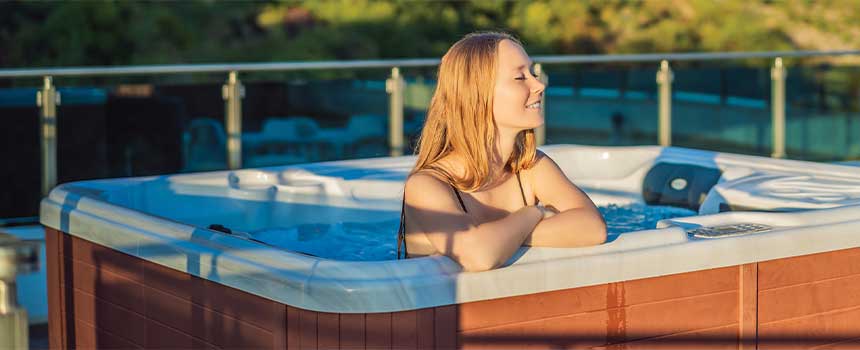
Hot tub shade structures face unique challenges from heat, chemical vapors, and moisture that damage standard outdoor materials. Selecting specialized materials and proper designs helps create a durable, safe, and comfortable spa area.
- Solution-dyed acrylic fabrics, marine-grade aluminum frames, and HDPE panels resist chlorine, UV rays, and steam exposure better than standard materials.
- Cantilever pergolas, retractable awnings, louvered roof systems, and freestanding pavilions allow steam to escape while providing shade and preventing chemical vapor buildup.
- Fixed roof structures should sit at least 8 feet above the water surface, and hardware should be stainless steel grade 316 or hot-dip galvanized to resist corrosion.
The best shade structures for hot tubs use materials resistant to heat, moisture, and chemical exposure. Aluminum frames with powder-coated finishes resist corrosion from chlorine and bromine vapors. For canopy fabrics, solution-dyed acrylic or marine-grade polyester withstands steam and UV damage while remaining mold-resistant. Vinyl and PVC options also perform well in humid spa environments.
Hot tub shade structures must withstand heat, moisture, and chemical exposure. Choosing the right materials and design ensures your spa area stays comfortable, safe, and durable year-round.
Why Hot Tub Areas Require Specialized Shade Structures
Hot tub environments expose shade structures to heat, chemical vapors, and moisture that quickly damage standard outdoor materials. Without the right construction, fabrics fade, frames corrode, and components weaken much faster than in typical patio areas.
Challenges for Hot Tub Shade Structures
- Chemical Exposure: Chlorine (3–5 ppm) and bromine (4–6 ppm) in heated water produce vapors that coat nearby surfaces.
- Constant Heat Stress: Hot tub air temperatures reach 95–110°F, accelerating material wear and weakening metals, plastics, and fabrics.
- Increased UV Exposure: Direct sunlight plus reflection from water surfaces doubles UV damage to shade fabrics and frames.
Materials That Perform Best in Hot Tub Areas
Using specialized materials prevents premature damage and extends the life of your shade structure.
Recommended Materials
- Solution-Dyed Acrylic Fabrics
- Color embedded into fibers prevents fading and bleaching.
- Resistant to chlorine, UV rays, and heat.
- Marine-Grade Aluminum Frames
- Lightweight, rust-resistant, and highly durable.
- Anodized coating protects against chemical corrosion.
- HDPE (High-Density Polyethylene) Panels
- Non-porous plastic repels water and chemicals.
- Maintains structural integrity under steam exposure.
Shade Materials That Resist Steam and Chemical Exposure
Design matters as much as materials. Proper ventilation and height prevent moisture buildup and chemical damage.
Recommended Shade Structures
- Cantilever Pergolas
- Open slats allow steam to escape while providing partial shade.
- Reduces chemical vapor buildup around the tub.
- Retractable Awning Systems
- Flexible shade control; extend in sunlight, retract to release moisture.
- Aluminum frames resist rust in humid conditions.
- Louvered Roof Systems
- Adjustable louvers control airflow and sunlight.
- Allows chlorine and bromine vapors to disperse safely.
- Freestanding Pavilion Structures
- Powder-coated aluminum frames provide superior corrosion resistance.
- Ideal for long-term, heavy-use spa areas.
Shade Structures That Work Best Over Hot Tubs
Choosing the right shade structure for a hot tub requires thoughtful design. Steam must escape easily, materials must resist moisture and chemicals, and the structure must provide enough height for safe vapor dispersion. Proper planning ensures long-term durability and a comfortable spa environment.
Recommended Hot Tub Shade Structures
- Cantilever Pergolas
Open-slat pergolas provide partial shade while allowing steam and air to circulate freely. The spacing between slats helps release chloramine gases created by heated chlorine water, preventing vapor buildup around the spa area. - Retractable Awning Systems
Aluminum-framed retractable awnings allow flexible shade control. Extend the awning during strong sunlight and retract it to release moisture and heat. Aluminum frames are ideal because they resist rust in humid environments. - Louvered Roof Systems
Adjustable louvers rotate to control airflow and sunlight. Opening the slats releases chlorine and bromine vapors, while closing them creates full shade. This design helps manage chemical fumes from heated spa water. - Freestanding Pavilion Structures
Pavilions built with powder-coated aluminum frames offer superior durability compared to wood. Aluminum resists moisture damage, while powder coating protects the metal from corrosion caused by steam and chemicals.
Installation and Safety Requirements
- Minimum Height Clearance
Fixed roof structures should sit at least 8 feet above the hot tub water surface. This clearance allows chemical vapors and steam to disperse safely. - Corrosion-Resistant Hardware
Use stainless steel grade 316 fasteners or hot-dip galvanized bolts. These materials resist corrosion from chlorine, bromine, and humid spa environments. - Protected Anchor Points
Apply chemical-resistant epoxy coatings where structures attach to concrete or ground surfaces. This protective layer prevents acidic condensation from damaging anchors and surrounding materials.
Selecting the right shade structure with proper ventilation, corrosion-resistant materials, and safe installation standards ensures your hot tub area stays comfortable, durable, and protected from chemical and moisture damage.
Features to Look for When Installing a Hot Tub Shade
Choose shade structures that protect against chemical, moisture, and UV damage.
Must-Have Features
- Rust-Resistant Hardware: Marine-grade aluminum and stainless steel fasteners.
- Water-Resistant, UV-Stable Fabrics: Solution-dyed acrylic or PVC-coated polyester.
- Adequate Airflow Clearance: Maintain 18 inches between water and canopy for steam dispersal.
- Chemical-Resistant Construction: Materials designed for marine or poolside environments.
Using these materials and installation methods ensures your hot tub area stays safe, comfortable, and durable for years.
Recent Post
How to Clean Aluminum Awnings: Step-by-Step Guide to Remove Dirt, Stains, and Oxidation Without Causing Damage
Aluminum awnings protect your home from the sun, rain, and...
Retractable Awning Maintenance Tips: Expert Guide to Cleaning, Protecting, and Extending the Life of Your Awning
A retractable awning is a valuable investment that adds shade,...
20 Deck Awning Ideas Perfect for Patio Season: Stylish Shade Solutions to Elevate Outdoor Comfort, Design, and Functionality
Deck awnings are one of the most effective upgrades for...
Can Retractable Awnings Be Installed on Vinyl Siding? Expert Guide to Safe Installation, Structural Support, and Best Practices
Retractable awnings can be installed on homes with vinyl siding,...


