
Snow, Wind, and Hail: Engineering Priorities for Front Range Awnings
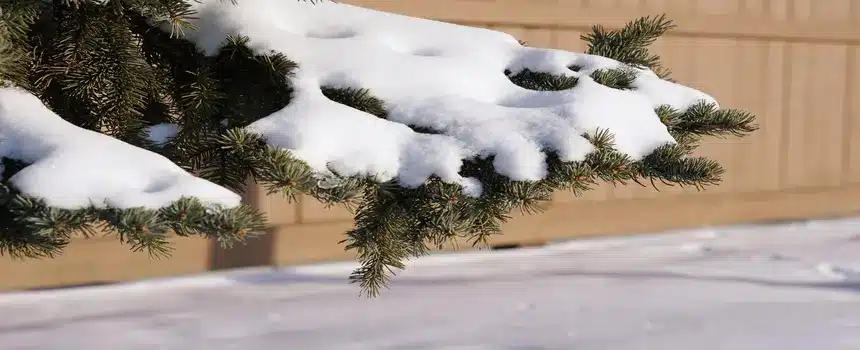
Building durable Front Range awnings requires careful engineering to withstand the region's extreme weather, including heavy snow and strong winds. Homeowners and businesses invest in these awnings for long-lasting protection and comfort, ensuring they are designed with precision and quality materials.
- Each awning is engineered to handle the unique challenges of Colorado's climate, including snow accumulation and wind resistance. They use advanced materials like heat-treated aluminum and impact-resistant panels for durability.
- Routine inspections and maintenance are essential for extending the lifespan of awnings, preventing costly repairs and ensuring safety over time.
- Engineers conduct thorough testing and adhere to building codes to guarantee that every awning meets the demands of harsh weather conditions in the Front Range.
The engineering priorities for Front Range awnings focus on durability and resilience against harsh weather conditions, such as heavy snow and strong winds. Designers must combine innovative techniques with proven construction methods to create awnings that provide reliability and safety throughout varying seasonal challenges.
Building durable Front Range awnings is an adventure in engineering and endurance. Each structure must be designed to withstand the unpredictable elements that sweep across the region, from snow that piles up for days to strong winds that can easily challenge poorly built systems. The experience of creating these awnings goes beyond basic construction; it’s about combining innovation with proven methods to ensure reliability and safety through every season.
When homeowners or businesses book a project, they’re not just investing in shade—they’re securing a structure built to last. Every ride of the weather cycle, from scorching summer days to freezing winter nights, puts awnings to the test. That’s why each purchase includes precision design, premium materials, and professional installation tailored to the building’s exact location and conditions. The gear used, such as heat-treated aluminum alloy frames and impact-resistant panels, ensures long-term stability and protection against hail, snow, and wind. Routine inspections and maintenance help extend the lifespan of these structures, preventing costly returns and repairs down the line. Proper upkeep allows the awning to perform at its best, even as years pass and the environment shifts. In this rugged region, engineering an awning is more than just a technical task—it’s a calculated, weather-ready commitment to safety, comfort, and craftsmanship that stands strong through every season’s wild ride.
Structural Load Calculations for Snow Accumulation
When engineers design awnings to survive Colorado’s intense winters, they factor in more than just weight, they study the science behind every snowflake and ice crystal that forms in the cold mountain air. Each storm begins high in a cloud, where humidity, temperature, and wind combine to shape unique snow crystals that eventually blanket rooftops and awnings across the Front Range. Understanding how these tiny structures behave when they accumulate helps determine the strength and safety requirements for every awning system.
During the colder months, the difference between light powder and wet, compact snow can mean thousands of extra pounds pressing down on a structure. As temperatures shift through the hours of a storm, snow often melts and refreezes, creating layers of ice crystals that increase the load even more. Engineers use this data to simulate real world conditions, ensuring that each awning design maintains its stability even under the harshest winter tests. Smart builders take advantage of seasonal opportunities to upgrade or reinforce awning systems before heavy snow arrives. For those looking to make the most of a winter deal or sale, investing in a properly engineered awning is a step toward long term safety and savings. The right design not only resists snow buildup but also manages runoff efficiently, preventing structural damage over time. By accounting for humidity levels, temperature swings, and the complex physics of snow formation, engineers create awnings that protect properties and maintain performance through every storm Colorado delivers.
Wind Resistance, Anchorage & Uplift Prevention
When engineers design awnings for Colorado’s Front Range, they must consider more than just snow or sunlight, the wind’s raw power can test every connection point and material choice. Over several days of strong gusts, forces can build up dramatically, creating lift and stress that rival or exceed the pressure of accumulated snowflakes. To ensure safety, engineers analyze how air flows around and under an awning, using principles based on density, thermal conductivity, and melting temperature to predict how the structure will react during extreme weather events.
Each installation is carefully planned to manage uplift pressure, especially in open areas where precipitation mixes with fast moving air. The design process includes studying how the shape and surface material of the awning affect heat transfer and wind resistance. For example, aluminum alloys with higher thermal conductivity disperse heat evenly, preventing rapid expansion or contraction that could weaken attachment points during temperature shifts. Engineers also factor in how ice forms and melts on metal surfaces, knowing that temperature fluctuations can change the load dynamics throughout the day.
In this region, where storms can arrive suddenly, wind gusts can lift light structures if not anchored correctly. By applying safety multipliers and strict building code standards, professionals ensure that each connection, bracket, and support system can handle extreme conditions. From the density of falling snow to the constant stress of shifting air currents, every detail matters. These designs help awnings stand firm through seasons of harsh wind, fluctuating precipitation, and the demanding climate patterns that define life along the Front Range.
Material Selection for Impact & Corrosion Resistance
Colorado’s mountain climate challenges awning systems with extreme conditions that demand advanced engineering and durable materials. At high elevations, strong ultraviolet rays accelerate the breakdown of exposed surfaces, while sharp temperature shifts trigger over 100 freeze thaw cycles each year. Add in hailstones measuring up to 2.75 inches in diameter, and the result is a region that tests every awning’s strength, flexibility, and long term performance. To ensure safety and reliability, each component must be designed for endurance in this unpredictable environment.
Frame Construction Requirements
Aluminum alloy frames treated with T6 heat processes offer a perfect balance of light weight and superior strength. The anodizing process creates a dense, protective layer that blocks corrosion and extends the structure’s life. To prevent metal fatigue and connection failure, stainless steel fasteners with grade 316 markings are used. These components stop galvanic reactions, an electrical process that can cause rust when dissimilar metals touch.
Fabric Specifications
Awning fabrics need exceptional tensile strength to resist high winds and snow loads. The most reliable materials can handle at least 200 pounds of pulling force per inch of width. UV stabilizers are blended into the fibers to protect against the intense mountain sun, keeping fabrics flexible and colorfast for years. Without these additives, fabrics often crack, fade, and tear after only a couple of seasons.
Steel Component Protection
Steel elements must receive a powder coating between 3 and 5 mils thick. This durable coating serves as a waterproof barrier that prevents corrosion from moisture penetration. Thinner coatings are insufficient for mountain climates, as they allow condensation to reach the surface and start the rusting process.
High-Risk Location Solutions
Regions that regularly experience severe hailstorms require stronger materials. Engineers often recommend using impact-resistant polycarbonate panels instead of traditional fabrics or plastics. These reinforced panels can absorb the shock of hail without cracking. Risk assessments determine which properties fall within high-exposure zones, guiding builders toward the safest design solutions.
Testing and Verification
Every component, from the frame to the fasteners, must carry certifications that meet or exceed ASTM testing standards. These independent laboratory tests confirm that materials can withstand Colorado’s extreme weather conditions. Proper documentation ensures that awnings meet state and local building codes, guaranteeing both structural integrity and customer peace of mind.
Inspection, Maintenance & Local Code Compliance
Regular inspection schedules are the foundation of long-lasting, code-compliant awning systems in Colorado’s Front Range. These inspections not only prevent costly structural failures but also protect property and ensure public safety. Awnings in this region face intense environmental stress from snow weight, wind uplift, and hail impact, making systematic evaluations critical for maintaining strength and reliability over time.
Essential Inspection and Compliance Protocols
- Quarterly Structural Assessments: Every three months, certified professionals examine anchor points, fasteners, and frame connections for any signs of fatigue or corrosion. These checks detect early indicators of stress or deformation that could compromise safety if left unaddressed.
- Post-Storm Evaluations: After severe weather events, especially heavy snowfalls or hailstorms, engineers perform detailed inspections to record damage, measure bending or deflection limits, and confirm that the structure’s load transfer path remains intact. This ensures the awning continues to distribute weight properly under future loads.
- Annual Code Compliance Reviews: Each year, a full review verifies that the awning still meets the latest International Building Code (IBC) standards and any local amendments. Engineers adjust calculations for snow load capacity based on updated elevation data and regional climate reports to ensure ongoing compliance.
- Maintenance and Recordkeeping: Accurate documentation of all inspections, repairs, and component replacements provides essential legal protection and performance tracking. Maintenance logs record wear, corrosion, or degradation over time, helping owners anticipate future service needs.
- Coordination with Local Building Departments: Compliance extends beyond physical inspections. Coordination with municipal building officials ensures that all permits, load calculations, and inspection schedules meet city or county requirements. Snow load variations by elevation often determine what standards apply to a specific property.
- Professional Structural Oversight: Structural engineers confirm that awning systems meet or exceed safety benchmarks. These include wind resistance ratings measured in pounds per square foot, snow load capacities typically ranging from 20 to 60 pounds per square foot, and proper attachment methods. With a typical service life of 15–25 years, regular engineering reviews help maintain long-term performance and code compliance.
- Documentation and Verification: Comprehensive inspection reports should include photos of anchor details, deflection measurements under load, and drainage system assessments. Proper water runoff design prevents pooling that adds unnecessary dead weight and strain to the structure. Building departments may also require sealed engineering drawings, tensile strength test results, and proof of anchor capacity, all confirming that the awning is safe, durable, and built to withstand Colorado’s extreme weather conditions.
Recent Post
How to Clean Aluminum Awnings: Step-by-Step Guide to Remove Dirt, Stains, and Oxidation Without Causing Damage
Aluminum awnings protect your home from the sun, rain, and...
Retractable Awning Maintenance Tips: Expert Guide to Cleaning, Protecting, and Extending the Life of Your Awning
A retractable awning is a valuable investment that adds shade,...
20 Deck Awning Ideas Perfect for Patio Season: Stylish Shade Solutions to Elevate Outdoor Comfort, Design, and Functionality
Deck awnings are one of the most effective upgrades for...
Can Retractable Awnings Be Installed on Vinyl Siding? Expert Guide to Safe Installation, Structural Support, and Best Practices
Retractable awnings can be installed on homes with vinyl siding,...


