
Projection vs. Width: The Two Key Measurements That Make or Break Your Awning
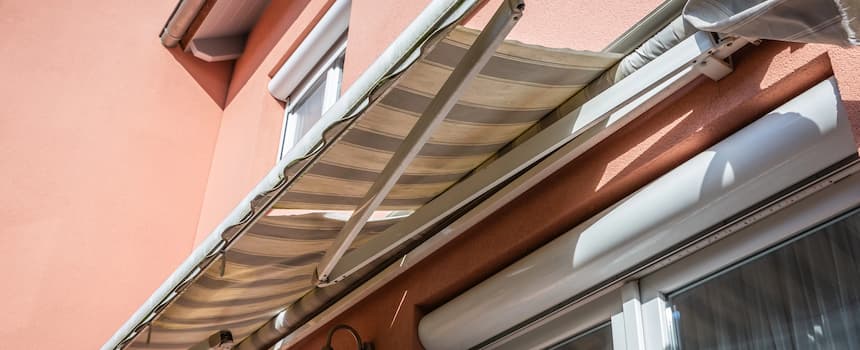
Projection and width are essential measurements that influence an awning's performance, comfort, and durability. Proper planning and understanding of installation requirements are crucial for achieving optimal results.
- Projection indicates how far the awning extends from the wall, while width measures its horizontal span. Getting these measurements right involves careful planning and awareness of structural elements.
- Awnings typically project between 5 and 10 feet, and the right depth depends on shading needs and sun movement. Width decisions should align with architectural lines and structural safety.
- Homeowners must consider weight limits, wall construction, and local codes before installation. Accurate measurements and proper assessment of mounting surfaces ensure the awning remains secure against weather conditions.
The two key measurements for an awning are projection and width. Projection refers to how far the awning extends from the wall, while width measures the horizontal span across the structure. Accurate measurements are essential for optimal performance, comfort, and longevity of the awning.
Projection and width are the two core measurements that determine how well an awning performs, how much comfort it adds to your outdoor living space, and how long the system lasts once installed. Projection measures how far the awning extends from the wall, and width measures the horizontal span across the structure. Getting these numbers right requires careful planning with a tape measure, awareness of your soffits, and an understanding of how different brands design their awning arms, motor options, and mounting hardware.
Awnings typically project between 5 and 10 feet, but the right depth depends on shading needs and how the sun moves across specific spots on your property. Mounting height also affects projection performance because the pitch of the awning changes how far the shade reaches throughout the day. A model installed too low or with the wrong pitch may block only partial sun, while a deeper projection gives stronger coverage against morning and late-day glare.
Width decisions depend on the architectural lines of your home. Window spacing, door placement, and wall stud locations guide where mounting hardware must anchor for structural safety. Choosing the correct width prevents weak points and ensures the awning aligns cleanly with your exterior design.
Before installation, homeowners should think through weight limits, wall construction, and any considerations related to local codes to ensure the system can safely support the motor, fabric, and arms. Accurate tape measurements and proper assessment of mounting surfaces keep the awning secure against wind and weather.
When projection and width work together, your awning delivers dependable shading, protects outdoor furniture, and creates a cooler, more comfortable living space—proving that the right measurements are just as important as choosing the right color or fabric.
Why Projection Dictates Usable Shade
An awning works only as well as the environment it’s installed into, which means projection and shading performance depend on more than just measurements. Professional installers study sun angles, weather conditions, and how the actual fabric behaves under tension before choosing the right mounting methods for each home. Awnings must attach securely to different exterior surfaces—siding, brick, vinyl, or wood siding—while avoiding vents, outlets, walkways, and other obstructions that interfere with safe placement. Each material requires wall-mounted methods that meet the manufacturer’s guidelines for load support and long-term durability.
Awning performance also depends on how the system responds to outdoor elements. Wind sensors help protect the awning during sudden gusts, retracting the fabric before damage occurs. The mounting methods must distribute weight evenly so the hardware can handle shifting loads in changing weather conditions. Shade quality improves when projection depth and material tension align with outdoor lighting patterns throughout the day, especially when the home faces strong morning or afternoon sun.
The manufacturer’s specifications guide the choice of brackets, support arms, and installation angles, ensuring the awning fabric remains stable under varying conditions. By accounting for structural details, exterior materials, and environmental factors, homeowners get an awning that delivers dependable shade, strong performance, and safe operation season after season.
How Awning Width Impacts Coverage and Aesthetics
Awning width plays a direct role in how much shade coverage you get on the ground during different times of day, but the measurement also shapes the entire footprint of your outdoor space. Installers begin with a survey of the wall area, marking reference points with chalk to map out where the wall-mounted bar and hardware will sit. This mapping step ensures the awning aligns with architectural lines and avoids obstacles like fixtures, trim, or uneven surfaces. Proper planning creates a cleaner installation process and reduces the chance of interference with doors, windows, or electrical features.
The width decision must account for wind exposure, debris patterns, and how far the fabric needs to reach beyond the protected opening. The wall structure must support the full span without stressing fasteners, which is why installers examine framing materials and load paths before finalizing measurements. A wider awning demands stronger anchoring and careful attention to how the mounting points distribute force across the structure. Homeowners often choose widths that extend 12 to 24 inches beyond each side of the opening to improve visual proportion and functional coverage, creating a balanced look that remains practical in daily use.
Modern awning systems add convenience with options like a remote control for operation, allowing quick adjustments as the sun moves. Wider units may require more powerful motors and reinforced arms, and those specifications depend on the manufacturer’s engineering guidelines. During selection, property owners should note warranty terms that relate to width limits, fabric tension, and hardware durability, since oversized or improperly mounted awnings may void certain protections.
Choosing the correct width improves ease of use, reduces maintenance demands, and increases long-term performance. By working with certified professionals who understand structural requirements, climate factors, and design aesthetics, homeowners can ensure the awning’s width enhances both comfort and appearance while functioning reliably season after season.
Matching Dimensions to Patio, Deck, or Window Layout
Measuring awnings correctly ensures full protection, prevents sunlight from slipping through unwanted gaps, and creates balanced coverage across the facade. The right fabric width, panel dimensions, and installation height all work together to shape how much ground area stays shaded and how well the awning improves energy efficiency by reducing indoor heat gain and UV damage. Installers aim for an unobstructed space beneath the awning with proper headroom and an optimal height that allows comfortable movement while maintaining strong shade performance.
Understanding how to measure for different awning types helps homeowners pick the correct size for lasting comfort and energy savings. Key measurement guidelines include:
Measuring for Deck and Patio Awnings
• Decks typically require deeper projection—8 to 10 feet from the wall—to shade outdoor furniture, dining sets, and seating areas.
• Smaller patios and balconies function well with 5 to 6 feet of coverage, keeping a compact footprint while still blocking direct sunlight.
• The fabric width must span the full target area without leaving gaps that reduce shade or expose the ground to UV radiation.
Window Awning Measurements
• Window awnings should extend 6 to 12 inches past each side of the window frame to protect the facade and glass.
• Extending beyond the top edge adds an extra barrier against heat and glare.
• Proper panel size improves indoor cooling performance and supports long-term energy savings.
Working Around Obstacles
• Measurements must account for lights, vents, gutters, support posts, and other fixed elements.
• Installers plan for full door clearance to avoid blocking entry doors, French doors, or sliding doors.
• Multiple-door openings often need one continuous awning that covers the full width plus 6 to 12 inches on each side for seamless shading.
Structural Support Requirements
• Larger awnings place more stress on the home, requiring mounting checks on studs, fascia boards, or roof eaves.
• Load calculations evaluate fabric weight, wind pressure, and snow buildup to ensure the structure can support the awning safely.
• Bigger models need reinforced mounting hardware, additional brackets, and stronger anchor points to withstand weather conditions.
• Professional verification ensures the building materials, wall construction, and mounting methods can handle the demands of the chosen dimensions.
These measurement principles help homeowners achieve reliable shade coverage, improved comfort, and meaningful energy efficiency benefits through a properly sized, properly installed awning.
Common Sizing Mistakes Homeowners Should Avoid
Wrong measurements create problems long before the awning gets installed, and these errors often turn into costly fixes after the purchase. Most sizing issues start when homeowners measure only the door frame or window frame instead of the entire coverage area that the awning must protect. Awnings ordered with too little projection fail to block sunlight when the sun rises to higher positions during midday, leaving the ground and outdoor furniture exposed. Simple mistakes—such as mixing up inches and feet or writing down incorrect dimensions—lead to awnings that arrive too short, too narrow, or incompatible with the installation space.
Another common issue happens when people skip checking whether their chosen wall mounting brackets match the home’s structural surface. Mounting locations built from materials like brick, siding, stucco, or uneven trim require different hardware and installation methods. Overlooking obstacles such as outdoor lighting, rain gutters, vents, and decorative trim creates conflicts once installation begins, forcing installers to reposition components or halt the job entirely.
Having a professional installer confirm every measurement before ordering prevents these avoidable setbacks. Expert verification ensures the projection, width, and mounting points align with the home’s architecture and outdoor layout. When every dimension is accurate, the awning fits properly, performs as intended, and delivers reliable shade without the frustration of adjustments, returns, or structural modifications.
Recent Post
How to Clean Aluminum Awnings: Step-by-Step Guide to Remove Dirt, Stains, and Oxidation Without Causing Damage
Aluminum awnings protect your home from the sun, rain, and...
Retractable Awning Maintenance Tips: Expert Guide to Cleaning, Protecting, and Extending the Life of Your Awning
A retractable awning is a valuable investment that adds shade,...
20 Deck Awning Ideas Perfect for Patio Season: Stylish Shade Solutions to Elevate Outdoor Comfort, Design, and Functionality
Deck awnings are one of the most effective upgrades for...
Can Retractable Awnings Be Installed on Vinyl Siding? Expert Guide to Safe Installation, Structural Support, and Best Practices
Retractable awnings can be installed on homes with vinyl siding,...


