
Blog

Patio Sun Shades: Complete Guide to Types, Benefits, and Practical Uses for Maximum Outdoor Comfort
Patio sun shades are one of the most effective ways to improve outdoor comfort while protecting patios, decks, and outdoor living areas from harsh sunlight. Whether for residential or commercial spaces, patio sun shades help reduce heat, block harmful UV rays, improve privacy, and create a more enjoyable outdoor environment. From retractable patio shades to...

I Don’t Want Posts — Can You Span 14–16 Feet With a Retractable Awning? | Structural Limits, Mounting Options & Expert Installation Tips
Many homeowners want a clean patio design without support posts blocking the space. The good news is that a retractable awning can sometimes span 14–16 feet without posts, but only if the awning system and mounting wall are strong enough. Large awning spans create significant pressure on the wall and mounting brackets. Wind, fabric tension,...
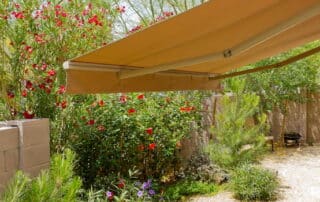
Can a Retractable Awning Work on a Curved or Angled Wall? | Installation Options, Mounting Solutions & Expert Tips
Retractable awnings can be installed on curved or angled walls, but these surfaces require specialized mounting methods and professional installation techniques. Unlike flat exterior walls, curved or sloped surfaces create alignment and support challenges. Installers must use custom brackets, spacer systems, and reinforced mounting hardware to ensure the awning remains secure and operates smoothly. With...
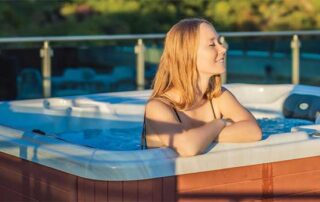
I Have a Hot Tub—What Shade Works With Steam and Chemicals? | Expert Guide to Durable, Safe, and Weather-Resistant Covers
Hot tub shade structures must withstand heat, moisture, and chemical exposure. Choosing the right materials and design ensures your spa area stays comfortable, safe, and durable year-round. Why Hot Tub Areas Require Specialized Shade Structures Hot tub environments expose shade structures to heat, chemical vapors, and moisture that quickly damage standard outdoor materials. Without the...
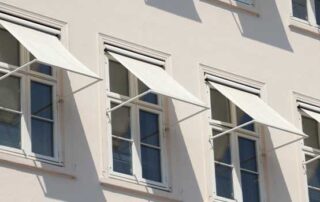
Window Awnings: Do Drop-Arms or Fixed Frames Work Better in Denver? | Expert Guide to Choosing Durable, Weather-Resistant Shades
Window awnings help Denver homeowners reduce heat, block harsh sunlight, and protect windows from weather damage. With over 300 days of sunshine and high UV exposure, exterior window awnings are one of the most effective ways to improve comfort and energy efficiency. Two of the most common options are drop-arm awnings and fixed-frame window awnings....
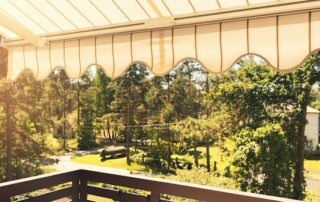
How Much Shade Will Your Awning Provide? Shade Projection by Time of Day in Denver
Shade in Colorado shifts hour by hour because sunrise, sunset, and the position of the sun control how much protection an awning actually provides. In places like Boulder and Denver, the sun reaches its highest point in the sky at midday, creating short, compact shadows even when the awning itself is large. As dawn transitions...
Recent Post
The Right Way to Install a Door Awning: Expert Guide for Durable Protection, Style, and Weather Resistance
A properly designed door awning is more than just an...
Is Your Awning Ready for Summer? Essential Guide to Inspection, Maintenance, and Long-Lasting Protection
Summer heat, stronger UV rays, and changing weather conditions can...
Patio Sun Shades: Complete Guide to Types, Benefits, and Practical Uses for Maximum Outdoor Comfort
Patio sun shades are one of the most effective ways...
I Don’t Want Posts — Can You Span 14–16 Feet With a Retractable Awning? | Structural Limits, Mounting Options & Expert Installation Tips
Many homeowners want a clean patio design without support posts...


