
Blog

Projection vs. Width: The Two Key Measurements That Make or Break Your Awning
Projection and width are the two core measurements that determine how well an awning performs, how much comfort it adds to your outdoor living space, and how long the system lasts once installed. Projection measures how far the awning extends from the wall, and width measures the horizontal span across the structure. Getting these numbers...
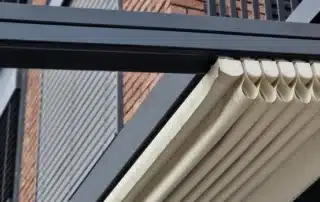
The Future of Smart Awnings: Sensors, Apps, and Weather APIs
Smart awning systems enhance comfort and functionality for homeowners by seamlessly responding to outdoor conditions throughout the day. These products extend or retract automatically to block harsh sun, reduce glare, and improve energy efficiency inside the home. By adjusting coverage based on sunlight intensity, temperature, and wind, these systems create a tailored outdoor experience that...
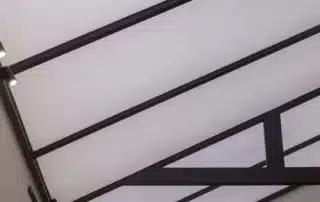
Retractable Awning Lights: LED Strips, Downlights and Dimmers Compared
The difference between a patio you use until sunset and one you use until midnight is lighting – and awning-integrated lighting is the cleanest way to get it. No posts, no string-light sag, no extension cords: the light lives on the awning and deploys with it. Here are the options we install, from a company...
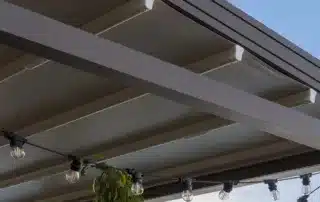
I Want Shade and Rain Cover: Can One Awning System Do Both?
Modern outdoor covering systems do more than just block rain—they transform patios, decks, and garden spaces into year-round retreats when designed and installed with care. Choosing materials that resist both weather and time is the first step. Retractable awnings made from waterproof, UV-resistant fabrics such as PVC-coated polyester perform well under direct sunlight while still...
Snow, Wind, and Hail: Engineering Priorities for Front Range Awnings
Building durable Front Range awnings is an adventure in engineering and endurance. Each structure must be designed to withstand the unpredictable elements that sweep across the region, from snow that piles up for days to strong winds that can easily challenge poorly built systems. The experience of creating these awnings goes beyond basic construction; it’s...

My Patio Is a Wind Tunnel – What Shade Option Actually Works?
Patios exposed to heavy gusts need shade solutions that balance protection and airflow. Traditional retractable awnings often struggle in these settings, especially when wind speeds climb between 25 and 35 mph. Their lightweight aluminum frames, usually only 1.5 to 2 millimeters thick, and tightly stretched fabric tend to trap moving air instead of letting it...
Recent Post
Can a Retractable Awning Work on a Curved or Angled Wall? | Installation Options, Mounting Solutions & Expert Tips
Retractable awnings can be installed on curved or angled walls,...
I Have a Hot Tub—What Shade Works With Steam and Chemicals? | Expert Guide to Durable, Safe, and Weather-Resistant Covers
Hot tub shade structures must withstand heat, moisture, and chemical...
Window Awnings: Do Drop-Arms or Fixed Frames Work Better in Denver? | Expert Guide to Choosing Durable, Weather-Resistant Shades
Window awnings help Denver homeowners reduce heat, block harsh sunlight,...
How Much Shade Will Your Awning Provide? Shade Projection by Time of Day in Denver
Shade in Colorado shifts hour by hour because sunrise, sunset,...


