
Can a Retractable Awning Work on a Curved or Angled Wall? | Installation Options, Mounting Solutions & Expert Tips
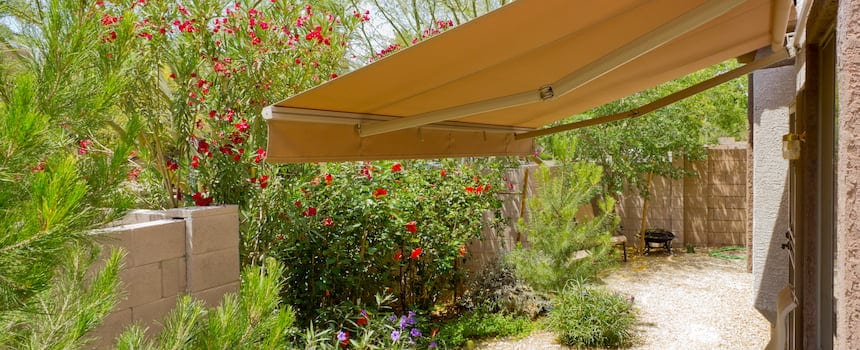
Retractable awnings can be installed on curved or angled walls, but these surfaces require specialized mounting methods and professional installation to address alignment and support challenges.
- Curved walls need custom brackets fabricated to match the wall's radius, spacer systems to create flat mounting planes, or curved track systems that follow the wall's natural shape.
- Angled walls require adjustable brackets, shims, and reinforced mounting plates to maintain proper alignment and support balanced fabric tension.
- Professional installation is recommended to handle structural requirements, correct awning pitch for water drainage - typically 14 to 20 degrees - and compliance with local building codes.
Yes, retractable awnings can be installed on curved or angled walls, though these surfaces require specialized mounting methods. Professional installers use custom brackets, standoff mounts, or adapter plates to create a level mounting surface. Proper installation on irregular walls demands precise measurements and expert techniques to maintain structural integrity and smooth awning operation.
Retractable awnings can be installed on curved or angled walls, but these surfaces require specialized mounting methods and professional installation techniques.
Unlike flat exterior walls, curved or sloped surfaces create alignment and support challenges. Installers must use custom brackets, spacer systems, and reinforced mounting hardware to ensure the awning remains secure and operates smoothly.
With proper planning and accurate measurements, a retractable awning can provide shade and protection even on buildings with non-standard wall designs.
Why Curved or Angled Walls Present Installation Challenges
Retractable awnings are typically designed to mount on flat, vertical surfaces. Curved and angled walls disrupt the normal mounting alignment and can create structural issues if not handled correctly.
Common installation challenges include:
- uneven contact between the mounting bracket and wall surface
- reduced anchor strength due to curved surfaces
- misalignment of the awning roller tube
- increased stress on the motor and extension arms
- improper water drainage from the fabric canopy
Without proper mounting adjustments, these issues can reduce the awning’s lifespan and cause operational problems.
Installing Retractable Awnings on Curved Walls
Curved walls require specialized installation techniques to maintain secure mounting and correct alignment.
Professional installers typically use custom solutions designed to match the wall’s radius.
Custom Curved Mounting Brackets
Custom brackets are fabricated to follow the exact curve of the wall.
These brackets help:
- distribute weight evenly across the mounting points
- eliminate gaps between the wall and bracket
- maintain correct alignment for the awning frame
- provide stable structural support
Properly designed curved brackets ensure the awning remains level even when mounted on a rounded surface.
Spacer Systems for Curved Walls
Spacer systems extend outward from the wall to create a flat mounting plane.
This method allows installers to:
- compensate for uneven wall curvature
- maintain full bracket contact with the structure
- Reinforce anchor points across multiple supports
Spacer systems must be engineered carefully to handle wind loads and fabric tension.
Curved Track Mounting Systems
In some cases, curved track systems are used to follow the natural shape of the wall.
These systems allow the awning hardware to align with the curved surface without placing stress on the frame.
Benefits include:
- smoother awning extension and retraction
- reduced mechanical strain on moving components
- better alignment with architectural curves
Installing Retractable Awnings on Angled Walls
Angled exterior walls create different installation challenges than curved surfaces. The awning must be mounted to maintain the correct operating angle.
Professional installers use specialized hardware to adjust the awning frame position.
Adjustable Mounting Brackets
Adjustable brackets allow installers to align the awning properly despite the wall’s slope.
These brackets help:
- maintain a level roller tube
- reduce motor strain during operation
- support balanced fabric tension
Proper alignment ensures the awning opens and retracts smoothly.
Shims and Reinforced Mounting Plates
Installers often use shims and reinforced plates to compensate for angled surfaces.
These components:
- stabilize the mounting system
- distribute structural loads evenly
- prevent movement over time
Using reinforced hardware improves durability and safety.
Correct Awning Pitch for Water Drainage
Retractable awnings require a proper pitch angle to allow rainwater to run off the fabric.
Typical awning pitch ranges between:
14° to 20°
When mounting on angled walls, installers must calculate the combined slope of the wall and awning to maintain effective drainage.
Structural Requirements for Safe Awning Installation
Every retractable awning installation must account for the building’s structural capacity.
Important structural considerations include:
- wall material (brick, concrete, wood, or stucco)
- location of framing studs or structural beams
- wind load requirements in the region
- awning size and fabric weight
- mounting hardware load ratings
Each anchor point must penetrate solid structural elements to ensure the awning remains secure under wind pressure.
When Custom Awning Installation Is Necessary
Some buildings have architectural features that require fully customized awning solutions.
Custom installation may be necessary for:
- curved exterior walls
- multiple wall angles
- irregular building surfaces
- modern architectural designs
- large commercial awning systems
Professional installers measure the building carefully and design mounting systems specifically for the structure.
Custom installations may include:
- extended support arms
- specialized mounting brackets
- reinforced anchor systems
- modified track assemblies
These solutions ensure the awning functions properly while protecting the building structure.
Benefits of Professional Awning Installation
Installing retractable awnings on curved or angled walls requires technical knowledge and precise measurements.
Hiring experienced installers provides several advantages:
- accurate measurement of wall curves and angles
- proper structural anchoring into framing members
- compliance with local building codes
- correct awning pitch for water drainage
- safe handling of wind load requirements
Professional installation helps ensure the awning remains stable, functional, and durable for many years.
Recent Post
I Don’t Want Posts — Can You Span 14–16 Feet With a Retractable Awning? | Structural Limits, Mounting Options & Expert Installation Tips
Many homeowners want a clean patio design without support posts...
Can a Retractable Awning Work on a Curved or Angled Wall? | Installation Options, Mounting Solutions & Expert Tips
Retractable awnings can be installed on curved or angled walls,...
I Have a Hot Tub—What Shade Works With Steam and Chemicals? | Expert Guide to Durable, Safe, and Weather-Resistant Covers
Hot tub shade structures must withstand heat, moisture, and chemical...
Window Awnings: Do Drop-Arms or Fixed Frames Work Better in Denver? | Expert Guide to Choosing Durable, Weather-Resistant Shades
Window awnings help Denver homeowners reduce heat, block harsh sunlight,...


