
I Don’t Want Posts — Can You Span 14–16 Feet With a Retractable Awning? | Structural Limits, Mounting Options & Expert Installation Tips
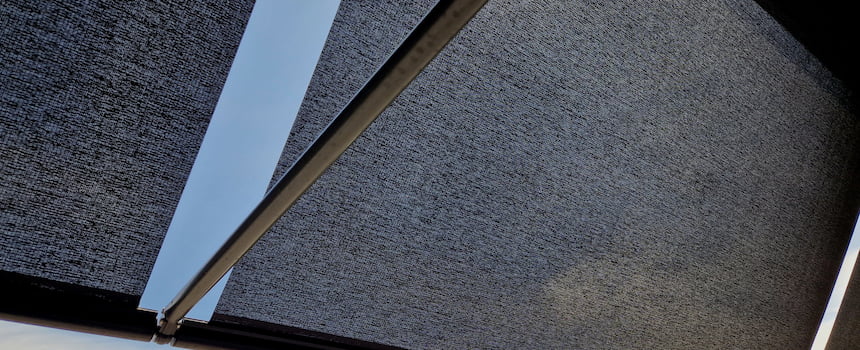
Retractable awnings can span 14 to 16 feet without posts, but only if the awning system and mounting wall are strong enough to handle the structural stress from wind, fabric tension, and weight.
- Standard residential awnings span 10 to 12 feet, while heavy-duty systems can reach 14 to 16 feet. Exceeding manufacturer limits can cause arms to bend, roller tubes to flex, or brackets to loosen.
- The mounting wall must be solid wood framing, concrete, or masonry with anchors penetrating 3 to 4 inches into structural members. Vinyl siding, synthetic stucco, and hollow walls often need reinforcement.
- Support posts may still be needed if the wall cannot handle the load, the area has high winds, or local codes require them. A professional evaluation is recommended before installation.
A retractable awning can span 14 to 16 feet without support posts, but only under the right conditions. The awning system must be designed for wide projections, and the mounting wall needs to be structurally sound enough to handle the load. Professional installation and proper wall reinforcement are often required to safely achieve post-free spans of this size.
Many homeowners want a clean patio design without support posts blocking the space. The good news is that a retractable awning can sometimes span 14–16 feet without posts, but only if the awning system and mounting wall are strong enough.
Large awning spans create significant pressure on the wall and mounting brackets. Wind, fabric tension, and the awning’s own weight all contribute to structural stress. For this reason, wider retractable awnings require heavy-duty frames, reinforced brackets, and strong structural anchoring.
Understanding these requirements helps determine whether your home can safely support a large retractable awning without posts.
Maximum Retractable Awning Span Without Posts
Most residential retractable awnings are designed for moderate spans. As the width increases, the forces placed on the mounting wall and frame also increase.
Typical awning span limits include:
- 10–12 feet: Standard residential retractable awnings
- 12–14 feet: Premium residential models with reinforced frames
- 14–16 feet: Heavy-duty systems with stronger components
Trying to extend beyond the manufacturer’s recommended width can cause the awning arms to bend, the roller tube to flex, or the mounting brackets to loosen over time.
For larger spans, installers must carefully evaluate both the awning system and the building structure.
Structural Requirements for a Post-Free Awning Installation
A retractable awning without posts relies completely on the wall for support. The mounting surface must be strong enough to carry the awning’s weight and withstand wind forces.
Key structural requirements include:
- Reinforced mounting brackets designed for large awnings
- Structural wall anchoring into framing members or masonry
- Heavy-duty roller tubes to prevent frame deflection
- Industrial-grade awning arms for larger spans
- Engineered fasteners rated for outdoor structural loads
Each bracket typically supports 200–400 pounds of load, depending on the awning size and projection.
Proper structural support ensures the awning remains stable during normal operation and moderate wind conditions.
Wall Strength and Mounting Surface Considerations
The strength of the mounting wall plays a major role in determining whether a 14–16-foot retractable awning span without posts is possible.
Suitable wall structures include:
- Solid wood framing with structural studs
- Concrete or masonry block walls
- Brick walls with deep anchor penetration
Installers must anchor mounting bolts 3–4 inches into structural members, not just into siding or decorative surfaces.
Wall materials that often require reinforcement include:
- Binyl siding over foam insulation
- EIFS (synthetic stucco) systems
- Thin decorative stone veneer
- Hollow wall assemblies
In these cases, installers may need to add internal reinforcement or structural backing.
Wind Load and Structural Stress Factors
Wind is the biggest force acting on a retractable awning. When extended, the fabric canopy acts like a sail, capturing wind pressure.
Important load forces include:
- Uplift force – wind lifting the awning upward
- Lateral force – sideways wind pushing against the fabric
- Dead load – the weight of the awning itself
Larger awnings increase these forces because more surface area is exposed to wind.
Manufacturers calculate safe span limits using engineering standards and wind load testing. These tests determine how wide the awning can safely operate without structural failure.
Situations Where Support Posts May Still Be Needed
Even when large awnings are available, certain situations still require support posts for safety.
Posts may be recommended when:
- The desired awning width exceeds manufacturer limits
- The wall structure cannot handle the load
- The building is located in high-wind regions
- The awning is installed on upper-story patios or decks
- Local building codes require additional support
Support posts transfer part of the load to the ground, reducing stress on the wall and mounting brackets.
Choosing the Right Retractable Awning for Large Spans
Selecting the correct awning model is essential when planning a large retractable awning installation.
Important features to consider include:
- Reinforced aluminum frames designed for wider spans
- Thicker roller tubes to prevent bending
- Additional cross-support bars inside the frame
- Heavy-duty retractable arms rated for larger loads
- Durable outdoor fabrics that resist stretching
Manufacturers often provide maximum width specifications based on wind resistance testing. Choosing a system rated for your desired span improves long-term performance.
Professional Evaluation for Large Awning Installations
Before installing a 14–16-foot retractable awning without posts, a professional inspection is strongly recommended.
Licensed contractors or structural engineers can evaluate:
- Wall construction and framing strength
- Bracket placement locations
- Wind exposure based on regional weather patterns
- Awning size and projection requirements
- Local building code compliance
A professional assessment ensures the awning installation is safe and prevents structural damage to the building.
Recent Post
I Don’t Want Posts — Can You Span 14–16 Feet With a Retractable Awning? | Structural Limits, Mounting Options & Expert Installation Tips
Many homeowners want a clean patio design without support posts...
Can a Retractable Awning Work on a Curved or Angled Wall? | Installation Options, Mounting Solutions & Expert Tips
Retractable awnings can be installed on curved or angled walls,...
I Have a Hot Tub—What Shade Works With Steam and Chemicals? | Expert Guide to Durable, Safe, and Weather-Resistant Covers
Hot tub shade structures must withstand heat, moisture, and chemical...
Window Awnings: Do Drop-Arms or Fixed Frames Work Better in Denver? | Expert Guide to Choosing Durable, Weather-Resistant Shades
Window awnings help Denver homeowners reduce heat, block harsh sunlight,...


